

5 Signs Your Yard Needs Professional Help
Patchy grass, persistent weeds, drainage problems, overgrown hedges, and pest damage are all signs it is time to call in a lawn care professional.
Snippetz Team
Snippetz
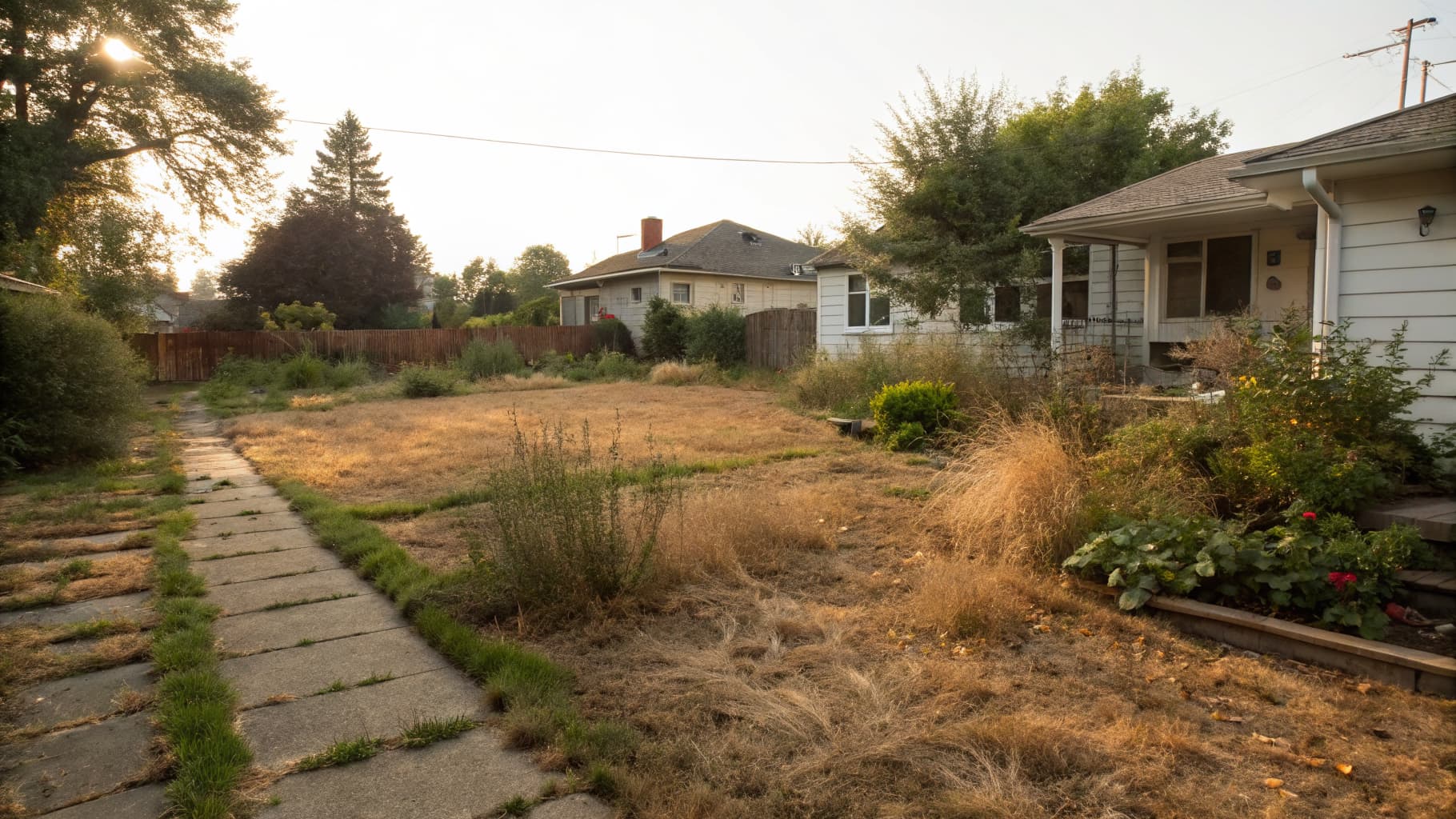
When DIY Is Not Enough
Most homeowners take pride in maintaining their own yards. But some problems go beyond what a weekend with a mower and trimmer can fix. Ignoring these warning signs often makes them worse and more expensive to address later.
Here are five signs that your yard needs a professional touch.
1. Patchy or Dead Grass
What it looks like: Irregular brown or bare spots scattered across the lawn, especially in areas that previously grew well. The patches may be soft and spongy, dry and crispy, or somewhere in between.
Why it matters: Patchy grass can indicate soil compaction, fungal disease, grub damage, or poor drainage. Each cause requires a different treatment. Throwing down seed without diagnosing the underlying issue usually results in the same patches returning within weeks.
What a pro does: A lawn care professional will assess the affected areas, check for grubs or fungal infection, test soil compaction, and recommend a targeted treatment plan. This might include aeration, fungicide application, grub control, or topdressing with compost before overseeding.
2. Persistent Weeds That Keep Coming Back
What it looks like: Crabgrass, dandelions, clover, or other weeds that reappear no matter how often you pull them. Weed patches that seem to expand each season despite your efforts.
Why it matters: Weeds are opportunists. They thrive in thin, stressed turf and compacted soil where grass struggles. Pulling weeds without addressing why they are winning only provides temporary relief. Many common herbicides require precise timing and application rates to be effective without damaging your grass.
What a pro does: Professionals identify the specific weed species, determine what conditions are favoring them, and create a multi-step plan. This typically includes pre-emergent treatment in early spring, targeted post-emergent applications, and a lawn thickening strategy (aeration, overseeding, proper fertilization) that lets your grass outcompete the weeds naturally.
3. Drainage Issues and Standing Water
What it looks like: Puddles that linger for hours or days after rain, soggy areas that never fully dry, water pooling near your foundation, or erosion channels forming across the lawn.
Why it matters: Poor drainage damages your lawn, your landscape, and potentially your home. Waterlogged soil suffocates grass roots, promotes disease, and creates breeding grounds for mosquitoes. Water pooling near your foundation can lead to basement leaks and structural issues over time.
What a pro does: Drainage problems usually require grading adjustments, French drain installation, dry creek beds, or rain garden design. A professional evaluates the slope of your property, identifies where water is coming from and where it needs to go, and implements a solution that redirects water away from problem areas.
4. Overgrown or Misshapen Hedges and Shrubs
What it looks like: Hedges that have grown taller than intended, shrubs with long leggy branches, plants growing into walkways or over fences, or foundation plantings that block windows and siding.
Why it matters: Overgrown shrubs do more than look unkempt. They block airflow and sunlight, which promotes mold and mildew on your home's exterior. Dense, unpruned hedges become hollow in the center, making it impossible to trim them back to a normal size without exposing bare branches. Neglected shrubs near your foundation can also harbor pests.
What a pro does: Professional trimming restores shape while preserving plant health. For severely overgrown plants, a pro may recommend a phased rejuvenation pruning approach spread over two to three seasons rather than a drastic one-time cut that could kill the plant. They also know the correct timing for pruning different species.
5. Signs of Pest or Insect Damage
What it looks like: Irregular brown patches that peel up like carpet (grub damage), tiny holes in the lawn surface (insect tunneling), chewed leaf edges on plants, or visible tunneling and mounding from burrowing pests.
Why it matters: Pest damage spreads quickly. A small grub infestation can destroy a large section of lawn in a few weeks. Many lawn pests live below the surface where you cannot see them until the damage is already significant. Over-the-counter treatments often miss the target species or are applied at the wrong life cycle stage.
What a pro does: Professionals identify the specific pest through visual inspection and sometimes soil sampling. Treatment plans are timed to the pest's life cycle for maximum effectiveness. For grubs, this might mean a preventive application in late spring or a curative treatment in fall. For surface insects, targeted spot treatments minimize chemical use while addressing the problem.
When to Call In Help
You do not need to hire a professional for every lawn task. Regular mowing, basic watering, and seasonal leaf cleanup are well within most homeowners' abilities. But when you see any of the five signs above, bringing in an expert early saves time, money, and frustration compared to letting the problem escalate.
On Snippetz, every provider is background-checked and rated by real customers. Book an assessment today to get a professional diagnosis of what your yard needs. Our pricing is transparent, and every service is backed by our guarantee.
Related articles
Ready to get started?
Whether you need lawn care or want to grow your service business, Snippetz connects you with the right people.