

Bermuda Grass Care in Atlanta: A Complete Monthly Guide
Expert Bermuda grass care tips for Atlanta homeowners. Monthly maintenance calendar, mowing heights, fertilization timing, and common mistakes to avoid in Georgia's Zone 7b-8a climate.
Snippetz Team
Snippetz
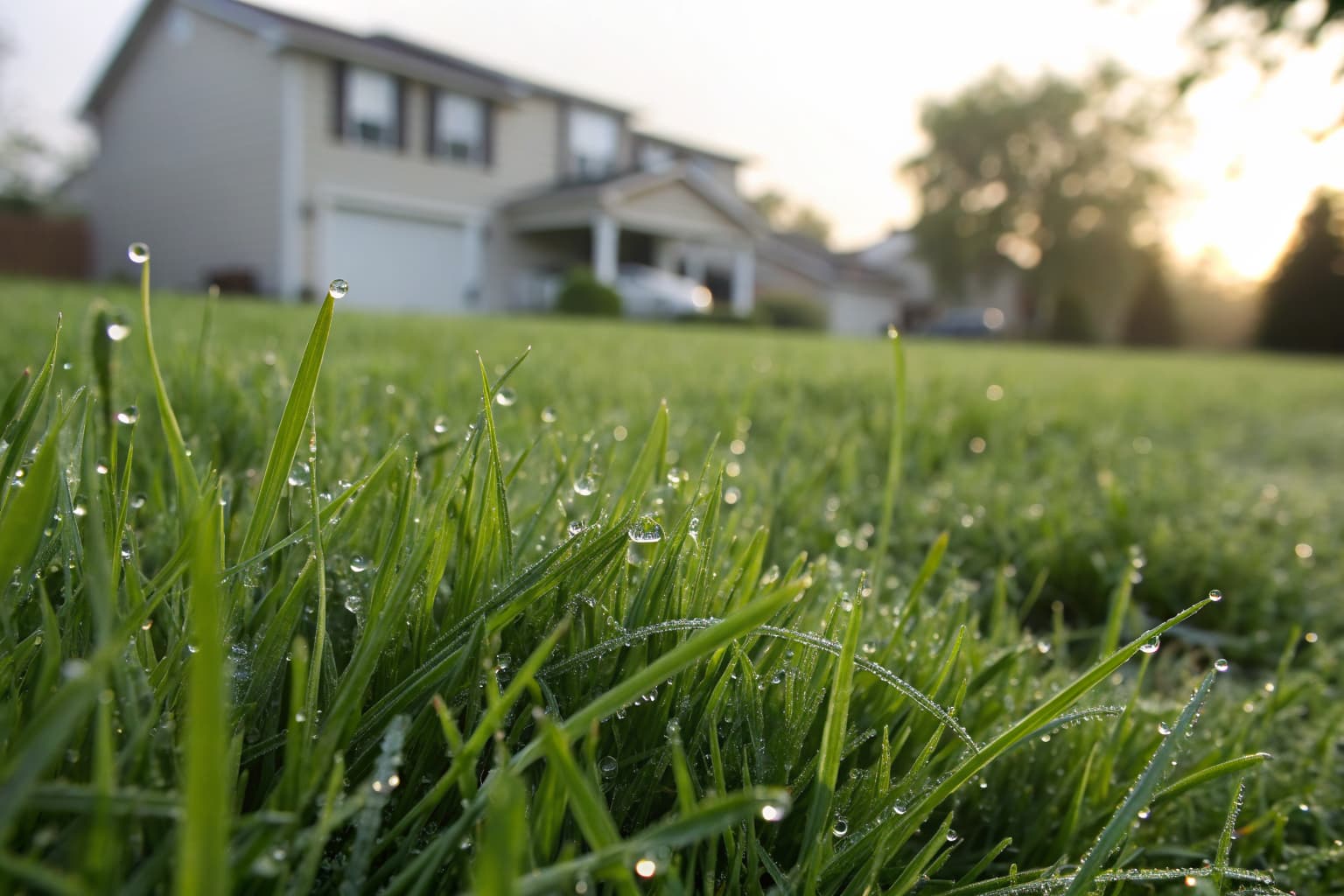
Why Bermuda Grass Dominates Atlanta Lawns
Bermuda grass is the most common turfgrass in the Atlanta metro for good reason. Atlanta falls within USDA Hardiness Zones 7b and 8a, where summers are long, hot, and humid. Bermuda thrives under exactly those conditions.
It is a warm-season grass that performs best in full sun with daytime temperatures between 80 and 95 degrees Fahrenheit. It tolerates drought better than most alternatives, recovers aggressively from damage, and fills in bare spots through lateral growth via stolons and rhizomes. For lawns that receive six or more hours of direct sunlight per day, Bermuda is difficult to beat in this climate.
The tradeoff is that Bermuda goes dormant in winter, turning brown once nighttime temperatures consistently drop below 50 degrees. That dormancy is normal and healthy. It is not dying. It will green up again in spring, typically by mid-March in the Atlanta area.
Monthly Care Calendar for Atlanta Bermuda Grass
January and February: Dormancy
Bermuda is fully dormant. The lawn will be brown, and that is expected. No mowing is needed. Avoid heavy foot traffic on frozen turf, as dormant grass blades can snap and damage the crown. This is a good time to service your mower, sharpen blades, and plan your spring approach.
March: Green-Up Begins
As soil temperatures rise, you will start to see green shoots emerging. The most important task this month is applying pre-emergent herbicide before soil temperatures reach 55 degrees Fahrenheit at a four-inch depth. In most of metro Atlanta, that window falls between late February and mid-March. If you miss it, crabgrass and other warm-season weeds will germinate and compete with your Bermuda all summer.
You can track soil temperatures through the University of Georgia Extension or use a simple soil thermometer. A split application, half now and half six to eight weeks later, provides the longest window of protection.
April and May: First Mow and Fertilization
Once the lawn is mostly green and growing actively, it is time for the first mow. Set your mower height to 1 to 1.5 inches. This is lower than what many homeowners expect, but Bermuda performs best when kept short. Taller mowing heights encourage thatch buildup and weaken the turf density that makes Bermuda attractive.
Begin your fertilization program in mid to late April, after the lawn has been actively growing for at least two to three weeks. A slow-release nitrogen fertilizer at a rate of 1 pound of nitrogen per 1,000 square feet is a standard starting point. Transition to weekly mowing as growth accelerates through May.
June Through August: Peak Growth Season
This is when Bermuda is at its most aggressive. Expect to mow weekly, and in some cases every five to six days during peak growth in July. Maintain the 1 to 1.5 inch mowing height and never remove more than one-third of the blade length in a single cut.
Water deeply but infrequently. Bermuda needs roughly 1 inch of water per week, including rainfall. During drought periods, water early in the morning to minimize evaporation and reduce disease pressure. Overwatering is a more common problem than underwatering with established Bermuda.
Watch for fall armyworms, especially in late July and August. Signs include birds feeding heavily on the lawn, small brown moths flying up when you walk through the grass, and rapidly expanding brown patches. Armyworm damage can destroy a Bermuda lawn in days if left untreated. If you suspect an infestation, a professional lawn treatment can confirm and address it quickly.
September and October: Slowing Down
Growth slows as temperatures cool. Apply your last fertilizer application by mid-September at the latest. Fertilizing later than this pushes tender new growth that will not harden off before the first frost, leaving the lawn vulnerable to winter damage.
If your lawn has compacted soil or heavy thatch, early fall is a solid window for core aeration. The grass is still growing enough to recover, and aeration opens the soil for better root development heading into dormancy.
Reduce mowing frequency to match the slower growth rate. Continue mowing at 1 to 1.5 inches until the lawn stops growing.
November and December: Final Mow and Dormancy
Give the lawn a final mow at regular height once growth stops, typically by mid-November in Atlanta. The lawn will brown out as it enters dormancy.
Some homeowners choose to overseed with perennial ryegrass for winter color. This is purely cosmetic. Ryegrass provides a green lawn through winter but will die off in late spring as Bermuda resumes growth. If you overseed, use 8 to 10 pounds of seed per 1,000 square feet and keep the area moist until germination.
Common Bermuda Grass Mistakes in Atlanta
Mowing too high. This is the single most common error. Bermuda is not fescue. It wants to be mowed at 1 to 2 inches, not 3 or higher. Mowing too high creates a leggy, thin lawn with excessive thatch and poor density.
Skipping pre-emergent. Without pre-emergent herbicide in early spring, crabgrass and goosegrass will establish before your Bermuda fully greens up. Once these weeds are growing, they are much harder and more expensive to control.
Overwatering. Bermuda is drought-tolerant by design. Watering every day creates shallow root systems, invites fungal disease, and wastes money. Water deeply once or twice per week, not daily.
Fertilizing too late in fall. Applying nitrogen after mid-September encourages soft, frost-susceptible growth. The last application should allow at least four to six weeks of hardening before the average first frost date, which is around mid-November in Atlanta.
When to Call a Professional
Some Bermuda maintenance tasks are straightforward. Mowing, basic watering, and keeping debris off the lawn are well within reach for most homeowners. Other tasks benefit from professional equipment and expertise:
- Core aeration requires a specialized machine that most homeowners do not own. Renting one is an option, but the results are better with experience.
- Dethatching at the right depth matters. Too aggressive and you damage the turf. Too light and you accomplish nothing.
- Pest identification is critical when damage appears suddenly. Misidentifying armyworms as drought stress, or vice versa, leads to the wrong treatment and more damage.
- Fertilization programs that follow soil test results and local growing conditions will outperform generic store-bought plans.
If you are looking for lawn care in Atlanta, a professional can handle these seasonal tasks on a schedule that matches your lawn's actual needs.
What Professional Bermuda Care Costs in Atlanta
For the Atlanta metro area, typical pricing for professional Bermuda grass maintenance falls within these ranges:
- Regular mowing: $35 to $65 per visit, depending on lot size and frequency
- Seasonal lawn treatments (fertilization, pre-emergent, weed control): $100 to $200 per application
- Core aeration: $75 to $150 for an average residential lawn
- Full-season maintenance programs: Often available at a reduced per-visit rate when bundled
These costs vary by provider, lot size, and service frequency. Bundled programs that combine mowing with seasonal treatments tend to deliver better results and lower per-service costs than booking each task individually.
Build a Plan That Fits Your Lawn
Every Bermuda lawn in Atlanta is slightly different. Sun exposure, soil composition, irrigation, and traffic patterns all affect what your specific lawn needs. The monthly calendar above gives you a strong foundation. For the tasks that require professional equipment or expertise, find a lawn care provider near you and lock in seasonal services before the spring rush.
For more seasonal guidance, see our spring lawn care checklist covering all grass types and regions.
Related articles
Ready to get started?
Whether you need lawn care or want to grow your service business, Snippetz connects you with the right people.