

Fall Lawn Care Checklist for Atlanta Homeowners
A month-by-month fall lawn care guide for Atlanta. Covers aeration, overseeding, leaf removal, fertilization, and winterizing from September through November.
Snippetz Team
Snippetz
Why Fall Matters More Than Spring for Atlanta Lawns
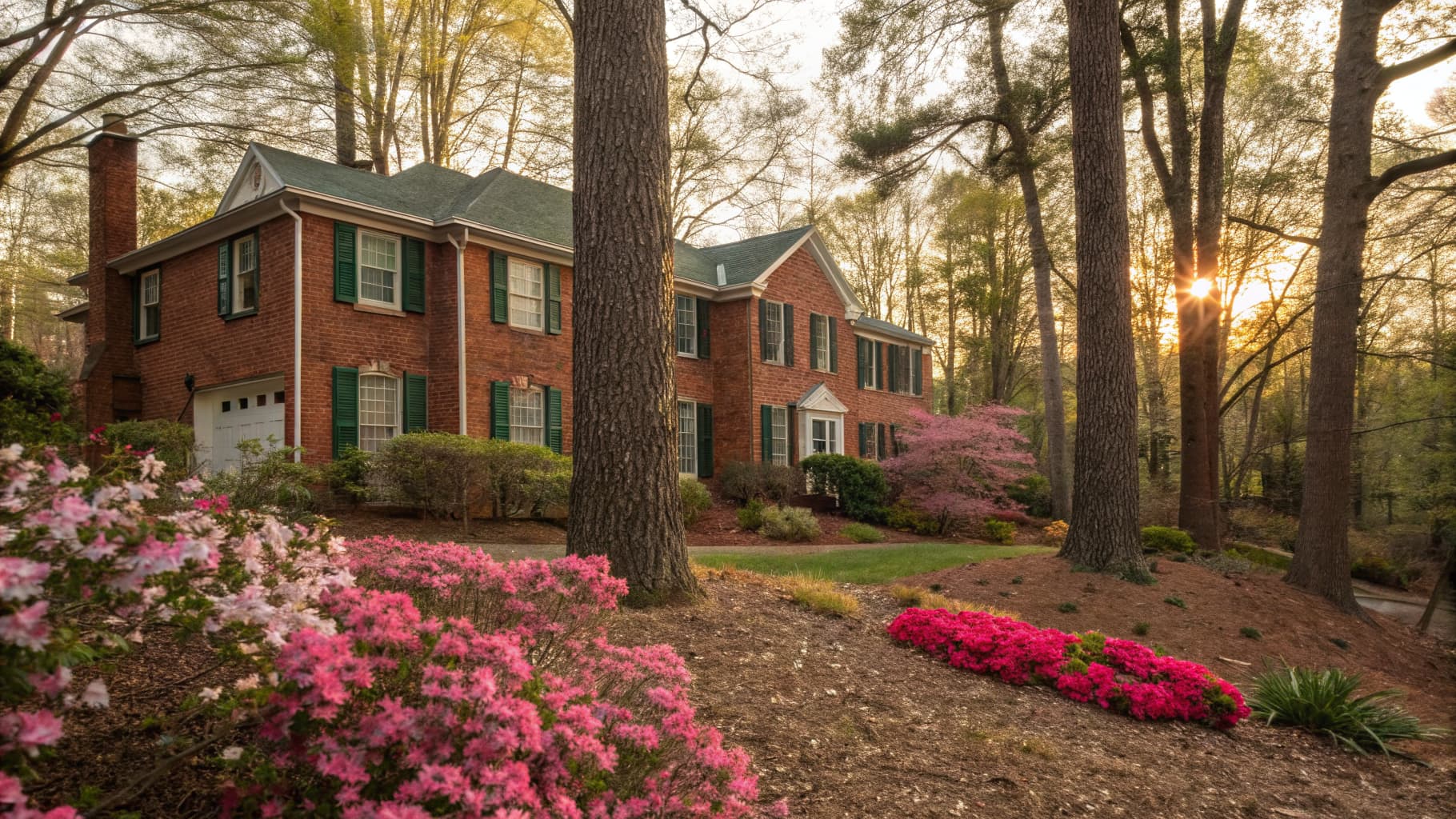
Most Atlanta homeowners focus on spring, but fall is when the real foundation gets set. What you do between September and November determines how your lawn comes back next March. Aeration opens compacted soil. Overseeding fills in thin spots before winter dormancy locks everything in place. Fall fertilization gives roots one last push before the growing season ends.
Skip fall, and you spend spring trying to recover from problems that were preventable. Get it right, and your lawn wakes up ahead of the neighborhood.
September: Set the Foundation
September is the most important month for Atlanta lawns. The heat is fading, but the grass is still actively growing, which means roots can absorb nutrients and new seed can establish before the first frost.
- Aerate the lawn. Atlanta's clay soil compacts fast. Core aeration breaks it up and lets water, air, and fertilizer reach the root zone. This is the single highest-impact thing you can do for your lawn in fall.
- Overseed with fescue. If you have cool-season fescue, September is the window. Seed-to-soil contact matters, so aerate first, then overseed. Warm-season Bermuda and Zoysia do not need overseeding, but some homeowners overseed Bermuda with ryegrass for winter color.
- Apply fall fertilizer. For Bermuda lawns, get the last fertilizer application down by mid-September. Fertilizing too late encourages tender growth that gets damaged by frost. Fescue lawns can take a later application.
- Adjust mowing height. Raise the mowing height slightly as temperatures cool. Taller grass shades roots and retains moisture better heading into fall. For Bermuda, keep it around 1.5 to 2 inches. For fescue, 3 to 3.5 inches.
If you are going to invest in one month of professional lawn care in Atlanta, September is the one.
October: Maintain and Transition
October is the transition month. Growth slows, leaves start falling, and the focus shifts from feeding to protecting.
- Start leaf removal. Do not wait until every leaf has dropped. Leaves left on the lawn for more than a week start blocking sunlight and trapping moisture. Stay ahead of it.
- Overseed bare spots. If you missed the September window or have areas that did not take, early October still works for fescue in metro Atlanta. After mid-October, the odds drop.
- Reduce mowing frequency. Growth slows noticeably. Most Atlanta lawns shift from weekly to biweekly mowing by late October.
- Final weed treatment. Apply a pre-emergent for winter weeds like Poa annua, or spot-treat any broadleaf weeds that are still active. This prevents a messy spring.
For more detail on aeration timing, see our guide on when to aerate your lawn in Georgia.
November: Close Out the Season
November is about cleanup, protection, and shutting things down properly for winter.
- Heavy leaf removal. This is peak leaf drop in Atlanta. Oaks, maples, and sweetgums dump volume fast. Plan for at least two full removal passes in November.
- Clean gutters. Clogged gutters overflow onto beds and foundations. If you have trees near your roofline, gutter cleaning is not optional.
- Mulch beds for winter. A fresh layer of mulch insulates plant roots, suppresses winter weeds, and keeps beds looking clean through the dormant months.
- Last mow of the season. Lower the mowing height slightly on the final cut. For Bermuda, take it down to about 1 inch. This reduces matting and fungal risk during dormancy.
- Winterize irrigation. Blow out sprinkler lines or drain them. A single hard freeze can crack pipes and damage heads, turning a $0 task into a $500 repair.
Why Leaf Removal Is Not Just Cosmetic
Leaves left on the lawn through fall and winter cause real damage. A thick layer smothers grass by blocking sunlight and airflow. Trapped moisture underneath creates ideal conditions for fungal diseases like brown patch and dollar spot. By the time spring arrives, you are dealing with dead patches instead of a lawn that is ready to grow.
There is also the practical side. HOAs notice. Neighbors notice. Leaves blow into beds, clog drainage, and make a property look abandoned faster than almost anything else.
If you have mature trees, professional leaf removal in Atlanta pays for itself in lawn repair costs you never have to deal with.
What Fall Services Cost in Atlanta
Here is what to expect for common fall services in the Atlanta metro area:
- Leaf removal: $40 to $200+, depending on lot size, tree coverage, and whether hauling is included. Heavy oak lots run higher.
- Aeration + overseeding: $100 to $250 for most residential lawns. Larger lots or heavily compacted soil may push higher.
- Gutter cleaning: $75 to $150 for a standard single-story home. Two-story homes and homes with guards cost more.
- Mulch installation: $60 to $200+, depending on bed square footage and mulch type. Pine straw tends to run cheaper than hardwood.
These ranges reflect typical pricing across the Atlanta metro. Actual cost depends on your specific property. You can explore local pricing and availability through our service areas.
Bundle Fall Services for Better Value
The smartest move in fall is to combine services. Aeration, overseeding, and leaf removal work together, and getting them done by the same provider in the same visit saves time and usually saves money.
A typical fall bundle looks like this:
- Aerate the lawn to break up compacted clay
- Overseed immediately after aeration while seed-to-soil contact is best
- Remove leaves so they do not smother new seed
- Mulch beds while the provider is already on site
Providers prefer bundled jobs because they can plan the visit efficiently. Homeowners benefit because the work gets done in the right sequence without coordinating multiple appointments.
If you are planning fall yard work, start with aeration and overseeding in September, then schedule recurring leaf removal through November. That sequence covers the critical window and keeps your lawn protected heading into winter.
Related articles
Ready to get started?
Whether you need lawn care or want to grow your service business, Snippetz connects you with the right people.