

The Complete Spring Lawn Care Checklist for 2026
Eight essential spring lawn tasks to revive your yard after winter. Learn when to dethatch, aerate, overseed, fertilize, and more for a lush, healthy lawn.
Snippetz Team
Snippetz
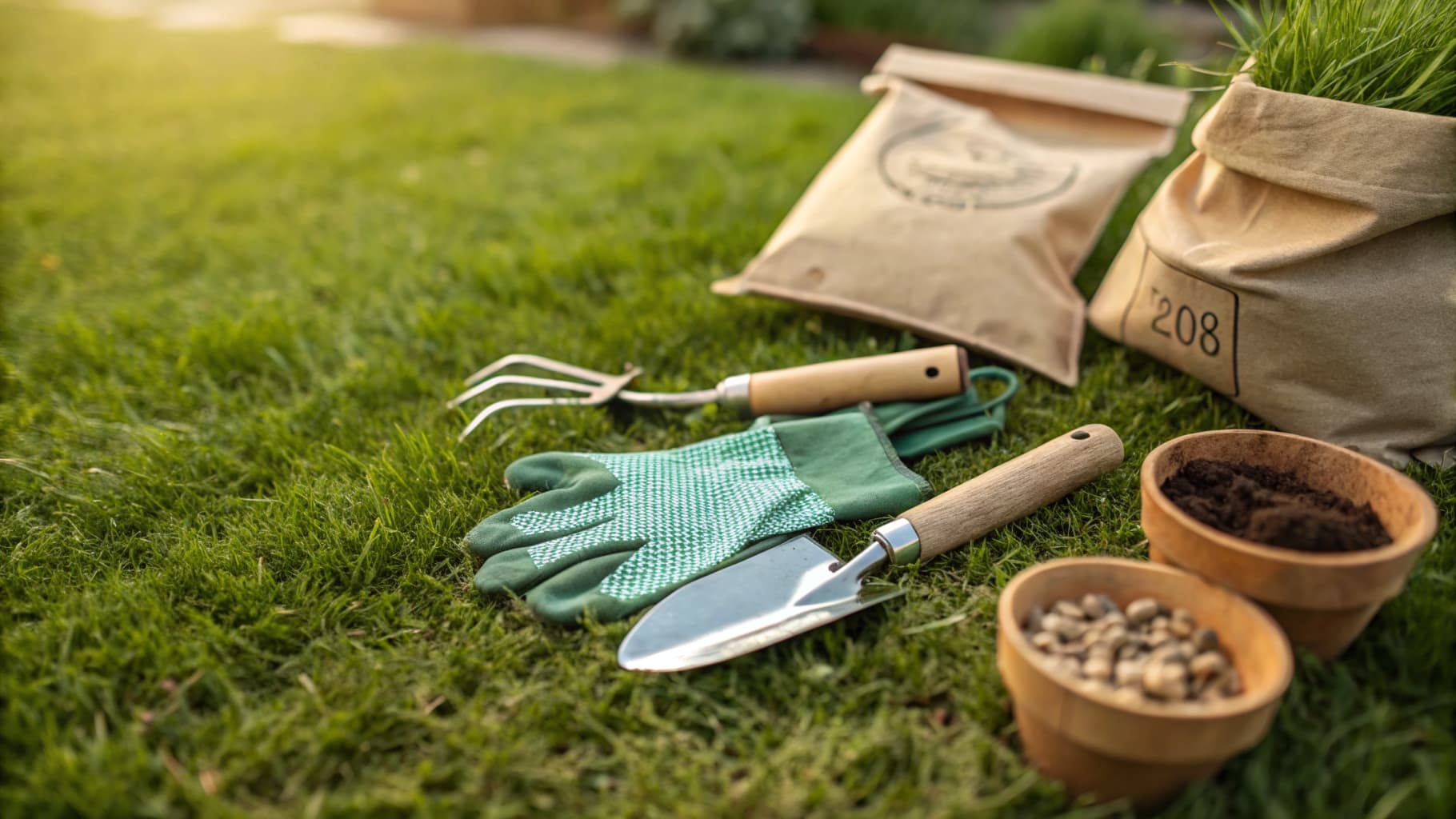
Get Your Yard Ready for the Season
Spring is the most important season for your lawn. The work you do in March and April sets the foundation for how your yard looks and performs all summer long. Skip these tasks, and you will spend the rest of the year fighting weeds, bare patches, and stressed turf.
Here are eight essential spring lawn care tasks, in the order you should tackle them.
1. Clean Up Winter Debris
When: As soon as the snow melts and ground firms up (typically March).
Why it matters: Leaves, branches, and other debris left on the lawn over winter trap moisture and block sunlight. This creates the perfect conditions for snow mold and fungal diseases. Matted debris also suffocates new grass growth.
What to do: Rake thoroughly, remove fallen branches, and clear out any accumulated leaves from beds and corners. Pay special attention to shaded areas where debris tends to collect.
2. Dethatch Your Lawn
When: Mid-March to early April, once the grass starts greening up.
Why it matters: Thatch is the layer of dead grass stems, roots, and organic matter that builds up between the soil surface and the green grass blades. A thin layer (under half an inch) is fine, but anything thicker blocks water, nutrients, and air from reaching the roots.
What to do: Use a dethatching rake for small lawns or rent a power dethatcher for larger properties. Work in a systematic pattern, making passes in perpendicular directions for thorough coverage.
3. Aerate Compacted Soil
When: Late March to mid-April, when soil is moist but not waterlogged.
Why it matters: Winter foot traffic, heavy snow, and freeze-thaw cycles compact your soil. Compacted soil prevents roots from growing deep and stops water from penetrating effectively. Aeration creates small holes that allow air, water, and nutrients to reach the root zone.
What to do: Use a core aerator (the kind that pulls out small plugs of soil) rather than a spike aerator. Make two passes over heavily trafficked areas. Leave the soil plugs on the lawn; they will break down naturally and return nutrients to the soil.
4. Overseed Bare and Thin Spots
When: After aerating, typically mid-April when soil temperatures reach 50 to 65 degrees Fahrenheit.
Why it matters: Bare patches are an open invitation for weeds. Filling them in with new grass seed creates a thick, dense lawn that naturally crowds out unwanted plants. Overseeding also introduces newer, more disease-resistant grass varieties into your lawn.
What to do: Choose a seed blend that matches your existing grass type and sun exposure. Apply seed at the rate recommended on the package, then lightly rake it into the soil. Keep newly seeded areas consistently moist for two to three weeks until germination is established.
5. Apply Spring Fertilizer
When: Late April to early May, once the grass has been actively growing for two to three weeks.
Why it matters: Your lawn is hungry after winter dormancy. A balanced spring fertilizer provides the nitrogen, phosphorus, and potassium your turf needs to develop strong roots and thick blade growth. Timing matters: fertilizing too early pushes top growth at the expense of root development.
What to do: Use a slow-release granular fertilizer with a ratio around 20-5-10 (nitrogen-phosphorus-potassium). Apply with a broadcast spreader for even coverage. Water lightly after application to activate the granules.
6. Set Your Mowing Height Correctly
When: First mow of the season, typically when grass reaches 3 to 4 inches tall.
Why it matters: Cutting too short (known as scalping) stresses the grass and exposes soil to sunlight, which encourages weed germination. Keeping grass at the right height promotes deeper root growth and natural shade that suppresses weeds.
What to do: Set your mower blade to 3 to 3.5 inches for cool-season grasses (like fescue and bluegrass) or 2 to 2.5 inches for warm-season grasses (like bermuda and zoysia). Never remove more than one-third of the blade length in a single mowing.
7. Edge Beds and Walkways
When: After the first mow, then maintain monthly throughout the season.
Why it matters: Clean edges give your entire yard a manicured, professional look. Beyond aesthetics, defined edges prevent grass runners from invading flower beds and garden areas. They also create a clear boundary that makes ongoing maintenance easier.
What to do: Use a half-moon edger or power edger to cut a clean line along walkways, driveways, and garden beds. Aim for a 2 to 3 inch deep edge. Remove the cut turf and soil from the trench.
8. Refresh Mulch in Garden Beds
When: Late April to May, after the soil has warmed.
Why it matters: Mulch retains soil moisture, regulates temperature, suppresses weeds, and gives beds a clean, finished appearance. Winter weather breaks down last year's mulch, reducing its effectiveness.
What to do: Remove old, decomposed mulch or turn it into the soil. Apply 2 to 3 inches of fresh mulch around plants and trees, keeping it 2 to 3 inches away from plant stems and tree trunks to prevent rot.
Do Not Want to Do It Yourself?
Spring cleanup is one of the most popular services on Snippetz. Our background-checked professionals handle everything on this checklist, from debris removal and dethatching to aeration, overseeding, and mulch refresh.
Book a spring cleanup today and get matched with a top-rated pro in your area. Transparent pricing, no hidden fees, and every job is backed by our service guarantee.
Related articles

Ready to get started?
Whether you need lawn care or want to grow your service business, Snippetz connects you with the right people.